


Prayagraj, Jul 21: State governments have continued to demolish the houses of persons accused of crimes despite the Supreme Court’s directions against such punitive action, the Allahabad High Court has observed, according to a report by Bar & Bench.
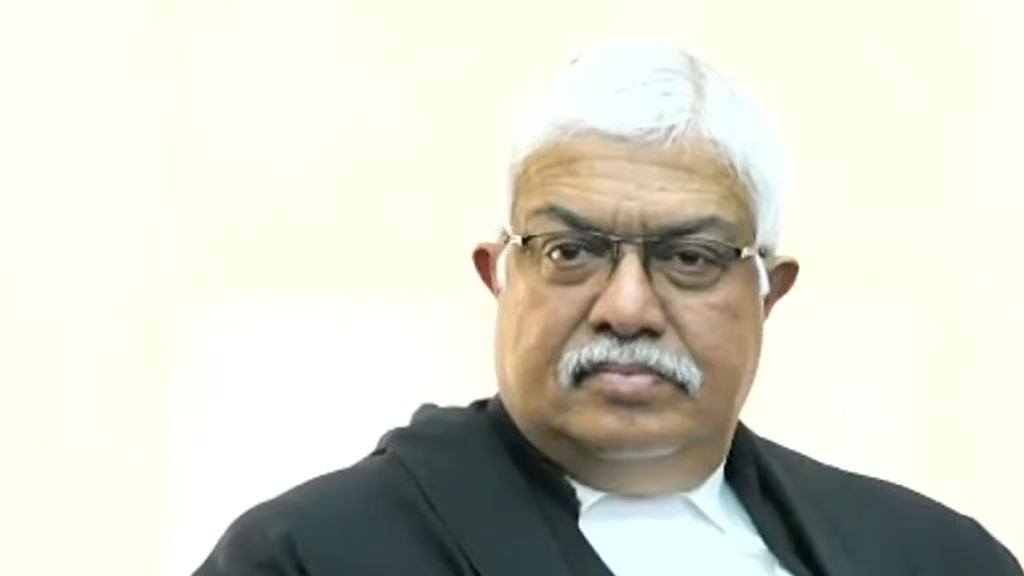
The observations were made by Justice Atul Sreedharan in a judgment delivered on July 20 while hearing a petition alleging that the properties of a family were targeted soon after one of their relatives was booked under the Protection of Children from Sexual Offences (POCSO) Act.
Justice Sreedharan said such actions by the State were “largely to satiate the perceived blood lust” of a society “fed on a staple diet of bulldozer justice” through electronic media, social media and messaging platforms.
“The demolitions continue with impunity as though these judgments do not exist, or the State is certain that the defiance towards the law laid down by the highest Court of the land shall not visit them with any adverse consequences,” the judge observed.
The matter was heard by a Division Bench comprising Justice Atul Sreedharan and Justice Siddharth Nandan. However, the two judges delivered separate opinions, with Justice Nandan differing from Justice Sreedharan on certain directions proposed to prevent what were described as punitive demolitions.
Justice Sreedharan began his judgment with a couplet by noted Urdu poet Bashir Badr, reflecting on the significance of a home and the hardship caused by its destruction.
Referring to the Supreme Court’s rulings on demolitions and the right to shelter, the judge observed that there was a link between poverty, unemployment and migration, which often resulted in the growth of unauthorised settlements. He further remarked that while many structures may violate municipal laws, enforcement was frequently inconsistent.
The judge also commented on corruption in the approval and regulation of construction, observing that illegal structures generally do not emerge overnight and that authorities often fail to act at the appropriate stage.
In the judgment, Justice Sreedharan also referred to the recent controversy over alleged theft of donations at the Ram Temple, describing it as reflective of broader concerns regarding institutional integrity.
The ruling forms part of the High Court’s consideration of the legality of demolition proceedings initiated against the petitioners’ properties following the registration of a criminal case against one of their family members.

